

Vitamin D deficiency symptoms often occur silently and can turn into serious health problems. Feelings like general fatigue or body aches could actually be your body asking for more help from you.
Many people ignore the early signs of vitamin D deficiency because they seem very normal as like. You may have low energy, mood swings or muscle aches and they may blame stress or age. Yet studies have shown that nearly 1 billion people over worldwide have low vitamin D levels. In India alone, studies have shown that up to 70 percent of the population may be deficient. This is surprising in a country where full of sunshine. The truth is that modern indoor lifestyles, excessive use of sunscreen, pollution and poor dietary habits make deficiency very common.
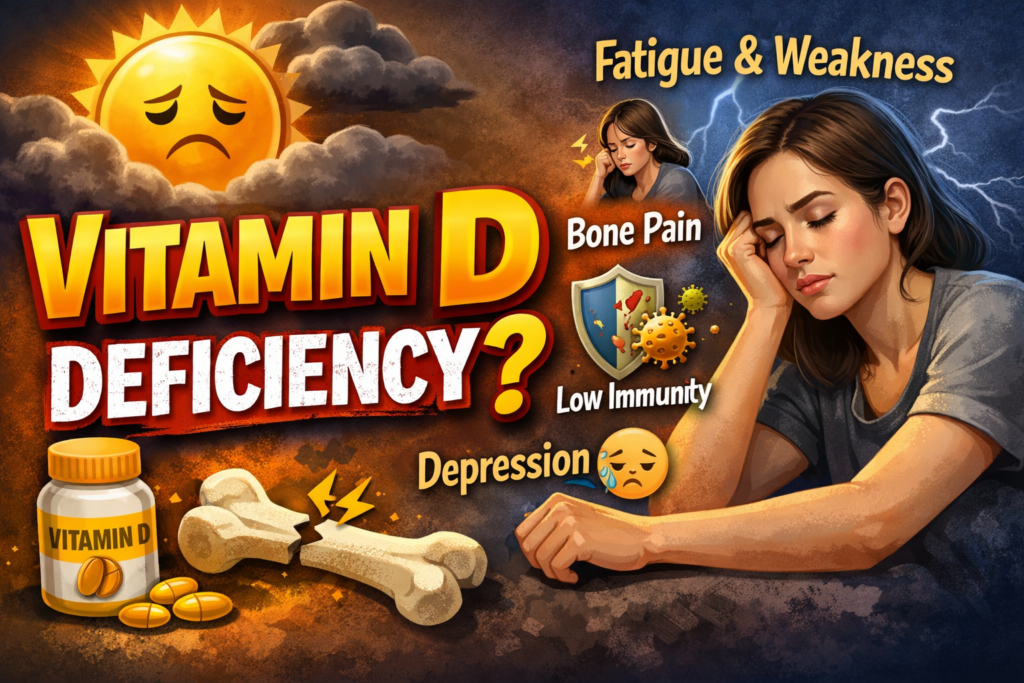
Table of Contents
Introduction
Symptoms of vitamin D deficiency can affect your bones, immune system, mood and overall quality of life. Vitamin D is called the sunshine vitamin because the skin produces it when exposed to sunlight. It plays a vital role in calcium absorption which keeps the body bones strong. It affects muscle function, immune system balance and even brain health. Despite its importance, deficiency is widespread among people of all ages.
Office workers, students, the elderly, pregnant women and people with dark skin are at higher risk. Early diagnosis makes a huge difference. If diagnosed early, vitamin D levels can be restored through safe sun exposure, dietary changes and taking supplements under medical advice. Let’s take a closer look at the warning signs.
What Is Vitamin D?
Vitamin D acts more like a hormone than a simple vitamin. When sunlight hits your skin it starts a chemical reaction that creates vitamin D3. Your liver and kidneys then convert it into its active form. This active form helps your body absorb calcium and phosphorus which are very essential for strong bones and strong your teeth. Without enough vitamin D, calcium can’t do its job properly and effectively.
Recent research has highlighted another important role. Vitamin D affects more than 200 genes in the body. It affects immune function, muscle coordination and inflammation levels. Low levels have been linked to an increased risk of osteoporosis, heart disease and some autoimmune conditions. The symptoms of vitamin D deficiency is important because early detection can prevent the medical complications.
Osteoporosis is a bone disease that causes bones to become weak, porous and brittle due to loss of bone density and minerals. It develops silently over many years and often causes no symptoms until a fracture occurs. Common fracture sites include the hip, spine and wrist. Aging, low calcium intake, vitamin D deficiency, hormonal changes after menopause and lack of physical activity increase the risk. The disease is diagnosed with a bone density scan called DEXA. Treatment includes medications, strength training and adequate calcium and vitamin D intake to help reduce the risk of fractures.
DEXA is a low dose X ray scan that measures bone mineral density to diagnose osteoporosis and fracture risk very accurately.
All About Vitamin D
| Category | Details |
|---|---|
| Vitamin Name | Vitamin D |
| Other Names | Calciferol |
| Main Forms | Vitamin D2 (Ergocalciferol), Vitamin D3 (Cholecalciferol) |
| Type | Fat soluble vitamin |
| Primary Function | Helps body absorb calcium and phosphorus |
| Key Roles | Bone strength, strong immune systems, muscle function, mood regulation |
| Natural Source | Sunlight (UVB exposure on skin) |
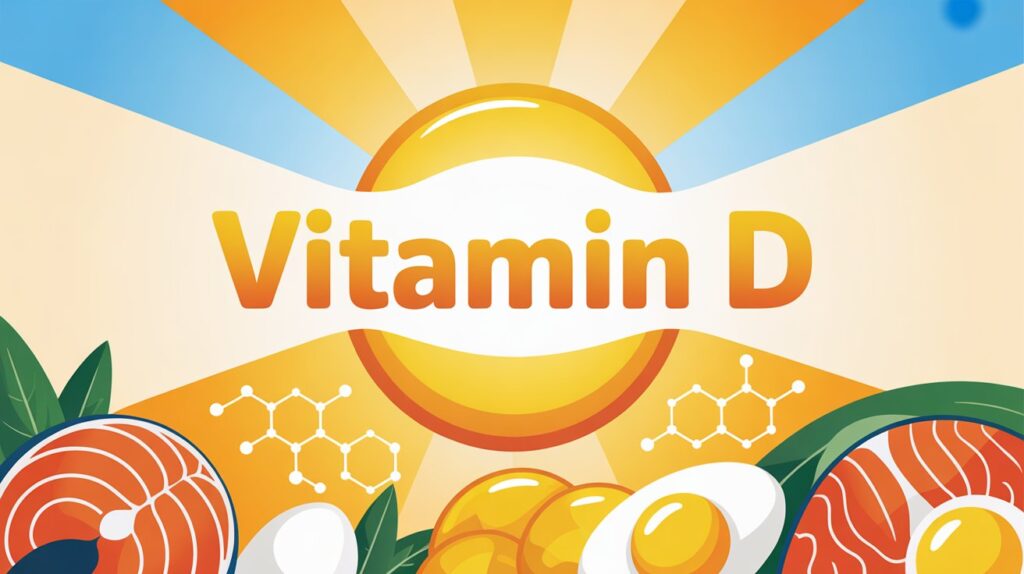
| Food Sources | Fatty fish (salmon, mackerel), egg yolk, fortified milk, mushrooms |
| Daily Requirement (Adults 19 – 70 yrs) | 600 IU (15 mcg) |
| Daily Requirement (70+ yrs) | 800 IU (20 mcg) |
| Upper Safe Limit (Adults) | 4,000 IU (100 mcg) per day |
| Deficiency Causes | Low sun exposure, darker skin tone, aging, obesity, kidney/liver disorders |
| Deficiency Symptoms | Bone pain, muscle weakness, fatigue, frequent infections |
| Severe Deficiency Diseases | Rickets (children), Osteomalacia (adults) |
| At Risk Groups | Elderly, indoor workers, vegans, people in cold climates |
| Toxicity Risk | Rare, usually from excessive supplements |
| Toxicity Symptoms | Nausea, kidney stones, confusion, high calcium levels |
| Best Absorption Tip | Take with meals containing healthy fats |
| Blood Test Name | 25-hydroxyvitamin D (25(OH)D) |
| Optimal Blood Level | 20–50 ng/mL (varies by guideline) |
| Storage in Body | Stored in fat tissue and liver |
| Interaction with Other Nutrients | Works closely with calcium, magnesium and vitamin K2 |
Vitamin D Deficiency Symptoms
1. Constant Fatigue
Does fatigue still linger after a full night’s sleep? One of the most common symptoms of vitamin D deficiency is persistent fatigue. Many people consider that they are sleep deprived or overworked for whole day. However, low levels of vitamin D clearly affect energy production at the cellular level.
A 2023 review published in the journal Global Health found that people with low levels of vitamin D reported significantly higher fatigue scores than those with normal levels. After taking vitamin D supplements, many participants noticed improvements within a few weeks or more. The fatigue associated with deficiency feels persistent. It doesn’t go away with rest alone. If your fatigue seems unexplained, testing your vitamin D levels may provide the answer.
Also read: Is the BRAT Diet Still Effective?
2. Frequent Illness and Weak Immunity
If you have frequent colds or take a long time to recover from infections, symptoms of vitamin D deficiency may be involved. Vitamin D plays a role in activating immune cells that fight with infectious viruses and bacteria.
During a recent global health conference, researchers noted that people with optimal levels of vitamin D have improved body immune function. While adequate levels of vitamin D are not a cure all, adequate levels help the immune system function more efficiently. Children and the elderly with low levels often experience repeated respiratory infections. Strengthening vitamin D status can reduce weakness and improve the body immunity.
3. Bone Pain and Lower Back Discomfort
A classic symptom of vitamin D deficiency is bone pain. Vitamin D helps the body absorb calcium. When calcium levels are low in your body the bones become very weak and soft. Adults may experience mild pain in the lower back, hips or legs.
In severe cases, deficiency can cause osteomalacia in adults, which means the bones become soft. In children, it can cause rickets, which leads to bone deformities. Many people with chronic back pain never think to have their vitamin D levels checked. A simple blood test can tell if a deficiency is contributing to the ongoing discomfort.
Osteomalacia: It is a condition in adults in which bones become soft and weak due to a lack of vitamin D, leading to bone pain, muscle weakness and an increased risk of fractures.
Rickets: It is a childhood bone disorder caused primarily by a lack of vitamin D which causes softening of the bones, delayed growth, bowed legs and skeletal deformities during bone development.
4. Mood Changes and Low Spirits
Have you noticed unexplained depression or mood swings? Symptoms of vitamin D deficiency can also affect your mental health. Vitamin D receptors are present in parts of the brain that are involved in mood regulation regularly.
Several observational studies have shown that low levels of vitamin D are associated with higher rates of depressive symptoms. The reduced amount of daylight during the winter months often leads to seasonal mood swings repeatedly. While vitamin D is not a substitute for therapy or medication.
5. Hair Thinning and Hair Loss
Thinning hair can be emotionally distressing. One of the symptoms of vitamin D deficiency is increased hair loss. Vitamin D affects the hair follicle’s cycle which regulates the growth and shedding phases.
Studies have shown a link between low vitamin D levels and conditions like alopecia areata. If hair loss is sudden and excessive the doctors often recommend checking vitamin D levels along with iron and thyroid levels.
Alopecia areata is an autoimmune disease that causes sudden, patchy hair loss on the scalp or other parts of the body. The immune system mistakenly attacks hair follicles, causing smooth, round bald patches. It can affect children and adults of any age. In some cases, the hair grows back on its own, while in others, hair may fall out repeatedly or extensively including from the eyebrows and eyelashes. Treatment options include corticosteroids, topical immunotherapy and other medications to stimulate hair regrowth and control the immune system.
6. Muscle Weakness and Body Aches
Muscle weakness is the most common symptom of vitamin D deficiency. Vitamin D plays a role in muscle contraction and coordination. Low levels can cause muscle cramps, stiffness and loss of strength.
Older adults with vitamin D deficiency are at increased risk of falls due to muscle weakness. Decreased performance in athletes can be observed with insufficient vitamin D.
Vitamin D Deficiency Symptoms at a Glance
| Symptom | Possible Impact |
|---|---|
| Persistent fatigue | Reduced productivity and focus |
| Frequent infections | Weakened immune response |
| Bone pain | Increased fracture risk |
| Mood swings | Emotional imbalance |
| Hair thinning | Reduced hair density |
| Muscle weakness | Higher fall risk |

Read more: Black Pepper: Why This King of Spices Is So Powerful
Who Is at Higher Risk
Vitamin D deficiency symptoms are more common in certain groups. People who spend most of their day indoors have less exposure to sunlight. Urban pollution blocks the UVB rays needed to produce vitamin D. Dark skinned peoples produce less vitamin D from sunlight due to higher levels of melanin. Older people’s skin’s ability to synthesize vitamin D decreases. Pregnant women need higher amounts of vitamin D for fetal development.
In India and many Asian countries cultural clothing patterns can also limit exposure to sunlight. Even in sunny climates vitamin D deficiencies are common due to lifestyle changes.
How Vitamin D Deficiency Symptoms Develops
Sunlight Exposure → Skin Production of Vitamin D → Liver Conversion → Kidney Activation → Calcium Absorption → Bone and Muscle Health Affected
Recent Insights
The health discourse in 2025 increasingly highlights micronutrient awareness. Functional medicine practitioners are emphasizing preventive screening for vitamin D. Fitness communities are now discussing vitamin D testing alongside protein intake and strength training. Public health campaigns in several countries encourage exposure to safe sunlight for 15 to 30 minutes per day depending on skin tone.
Recent population surveys reveal that vitamin D deficiency symptoms exposure to sunlight has further decreased due to the post pandemic shift to indoor employment. This makes symptoms of vitamin D deficiency more relevant than ever.
How Much Vitamin D Do You Need
Daily requirements vary depending on age and health status. Most adults need about 600 to 800 IU per day, although some experts recommend slightly higher amounts for Vitamin D deficiency symptoms those with low baseline levels. Blood levels are measured using a 25 hydroxyvitamin D test. Optimal levels typically fall between 30 and 50 ng per ml.
Natural Ways to Improve Vitamin D Levels
Sunlight is still the most effective natural source. Exposing your hands and face to morning sunlight for 15 to 20 minutes can significantly improve vitamin D levels. Dietary sources include fatty fish like salmon, egg yolks and fortified dairy products. For vegetarians, fortified cereals and mushrooms can provide it in moderate amounts when exposed to ultraviolet light.
In cases of moderate to severe deficiency the doctors may prescribe vitamin D supplements. Following medical guidelines ensures a safe dosage. Taking too much vitamin D can lead to toxicity which can cause nausea and kidney problems.
When to See a Doctor
If vitamin D deficiency symptoms persist despite lifestyle changes consult a healthcare provider immediately. Blood tests confirm the vitamin D deficiency and rule out other root causes. Early treatment prevents many health complications such as osteoporosis and chronic fatigue syndrome.
Women during pregnancy, the elderly and people with chronic illnesses should consider regular screening. Prevention is better than cure.
Conclusion
Vitamin D deficiency symptoms often whisper before they scream. Your body gives you subtle signs like fatigue, mood swings and muscle aches long before serious damage occurs. Paying attention to these early signals can transform your health journey.
Small habits like getting out in the sun, eating nutritious foods and scheduling regular health check-ups can have a long duration lasting health impact. If this guide helps you understand your body better, consider sharing it with someone who often complains of unexplained fatigue or bone pain. Awareness spreads health. Stay informed and take steps toward strong bones, balanced moods and with vibrant energy.
Frequently Asked Questions (FAQs)
Early signs of vitamin D deficiency symptoms include persistent fatigue, mild muscle weakness and frequent colds. Many people ignore these vitamin D deficiency symptoms because they seem common. However, when these symptoms persist for weeks without an obvious cause it is wise to get your vitamin D levels checked. Early detection prevents complications such as bone thinning and chronic weakness.
Vitamin D deficiency symptoms recovery depends on the severity and treatment regimen. Mild deficiencies can be resolved within eight to twelve weeks with the right supplements and exposure to sunlight. Severe deficiencies can take several months. Regular blood tests help track progress. Following medical advice can ensure safe correction without the risk of overdose.
Several studies have shown that low levels of vitamin D deficiency symptoms are associated with mood disorders. Vitamin D deficiency symptoms affects the parts of the brain that control mood. While a deficiency alone may not directly cause anxiety or depression, correcting low levels can improve mood as part of a larger mental health plan managed by professionals.
For many peoples, moderate sun exposure is sufficient. However, factors such as skin colour, pollution, sunscreen use and indoor living can limit vitamin D production. In such cases, dietary or supplemental intake becomes essential. Testing can clarify whether sunlight alone meets your vitamin D deficiency symptoms needs.

Hi, I’m someone who believes curiosity is where every good idea begins. Writing is my hobby & my way of exploring thoughts, experiences & the real world around me. I believe that writing has the power to inspire, inform & spark conversations. I enjoy learning, observing & turning curiosity into words that feel honest and meaningful. Stay Informed, Stay Curious!