

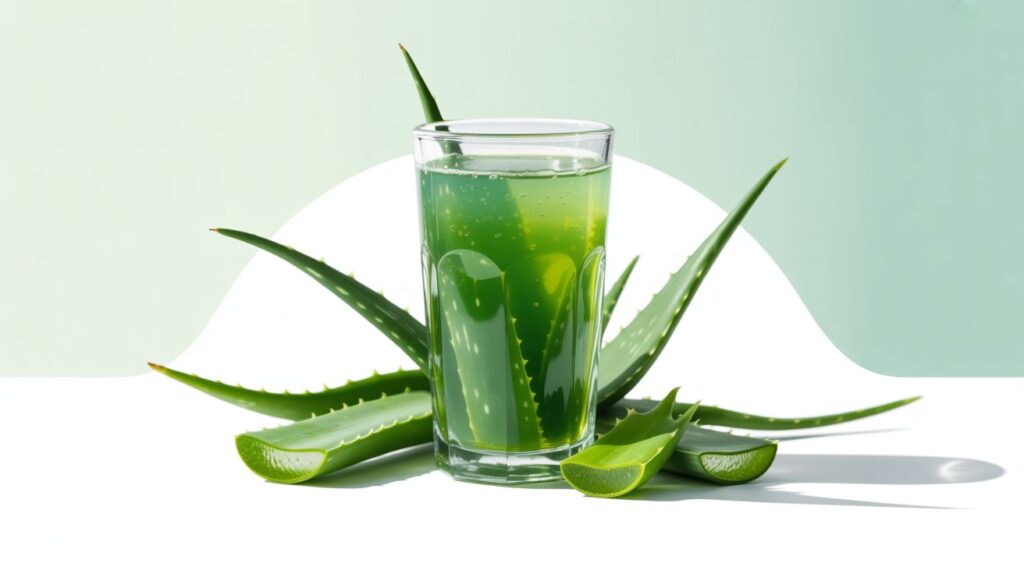
Aloe vera juice is no longer just a for health benefits doing the rounds on the whole world. It’s that simple super power green drink sitting quietly in your kitchen that can transform the way your body feels every day. From relief from flatulence to glowing skin aloe vera juice has become a daily ritual for millions of health conscious Indians and also other countries.

Table of Contents
Introduction
Aloe vera juice has gained immense popularity in recent years. From fitness influencers to Ayurveda practitioners many are talking about its digestive and skin benefits. According to industry reports, the global aloe vera market recently crossed $600 million and India is one of the fastest growing consumers. This shows the growing confidence in natural wellness solutions.
But what exactly makes aloe vera juice so special? Is it good to drink every day? How much should you take? Are there any side effects? In this complete guide, you will find science-based information, practical tips and simple explanations. I will explain everything as if I were talking to a close friend who really wants better health.
What is Aloe Vera Juice?
Aloe vera juice is made from the thick leaves of the aloe vera plant scientifically known as aloe vera. When you cut the leaf, you can see a clear gel inside. The gel is processed and filtered to make aloe vera juice.
The plant has been used for centuries in traditional practices such as Ayurveda and ancient Egyptian medicine. People use it to treat burns, wounds and skin infections. Today’s modern processing methods remove a compound called aloin which can cause stomach upset if consumed in excess. High quality aloe vera juice available in the market is usually purified and safe to consume in recommended amounts.
Read more: Broccoli Benefits
Nutrition Profile
This is low in calories but rich in plant compounds. It contains vitamins like vitamin C and vitamin E and small amounts of B vitamins. It also contains minerals like calcium, magnesium and potassium.
More importantly, aloe vera juice contains antioxidants and enzymes. Antioxidants help fight oxidative stress, which means damage caused by free radicals in the body. According to laboratory studies published in reputable journals, aloe vera contains polyphenols that act as protective compounds. While aloe vera juice is not a miracle cure, its nutritional value makes it a valuable addition to a balanced lifestyle.
Below is a general nutritional summary per 100 millilitres.

| Nutrient | Approximate Value (per 100 ml) |
|---|---|
| Calories | 4 to 10 kcal |
| Vitamin C | Small amount |
| Calcium | 10 to 15 mg |
| Magnesium | 5 to 8 mg |
| Potassium | 30 to 40 mg |
Health Benefits
1. For Digestion
One of the most talked about benefits of aloe vera is its digestive soothing properties. Many people drink aloe vera on an empty stomach in the morning. They claim that it reduces flatulence and makes bowel movements smoother.
Scientifically, this contains enzymes that help break down sugars and fats. It also has mild laxative properties when consumed in large quantities. A small study has shown that it improves occasional constipation in people. However, experts recommend consuming it in moderation. Excess this juice can cause flatulence.
If you have acidity or mild indigestion, you can mix 20 to 30 ml of this juice in a glass of water and drink it. Observe how your body reacts. Every person is different.
2. For Skin Glow
Many beauty bloggers promote this juice for glowing skin. The reasoning is simple. Skin often looks clearer when digestion is improved. Aloe vera contains antioxidants that help reduce internal inflammation.
A survey conducted among urban Indian consumers found that over 40 percent of people who regularly drank this juice experienced an improvement in skin hydration over a three month period. While this is not a controlled scientific trial it reflects a growing consumer experience.
Hydration plays a vital role in skin health. This juice contains a lot of water. When you combine proper hydration with a balanced diet and sun protection you can notice better skin texture over time.
3. For Blood Sugar Control
Some preliminary studies have shown that this juice may help control blood sugar levels. Small clinical studies have shown that it can lower fasting blood glucose levels in some participants. However, this does not mean that aloe vera juice can be used in place of diabetes medications.
If someone has type 2 diabetes, they should consult their doctor before starting aloe vera juice. It can interact with medications. Responsible health decisions are always better than blind impulses.
The Indian diabetes population is growing rapidly. According to the International Diabetes Federation more than 70 million adults in India are suffering from diabetes. Natural supplements like this juice are gaining attention but require professional medical guidance.
Read more: BRAT Diet
4. For Immunity
Immunity has become a hot topic after the COVID-19 pandemic. People are looking for natural immune-boosting products. This juice contains antioxidants and a small amount of vitamin C. These nutrients play a role in maintaining immunity.
However, no single drink can boost your immunity. A balanced diet, adequate sleep, regular exercise and stress management remain the pillars of a strong immune system. This juice can be a small part of that bigger picture.
How to Choose the Best Juice
The market is flooded with brands that claim to be pure this juice. Always read the label carefully. Look for products that mention bleaching and purification. This means that the harmful aloin has been removed.
Check that the juice is at least 90 percent pure. Avoid products with added sugar or artificial flavours. Glass bottles are often preferred to preserve quality. Also, check the manufacturing and expiration dates.

Side Effects and Safety
This juice is generally safe in small amounts. However, excessive consumption may cause stomach upset and diarrhea. Pregnant women and nursing mothers should avoid it without consulting a doctor. People with kidney problems should be careful as drinking large amounts of this juice can affect electrolyte balance. Always start with small doses such as 20 ml per day.
The wellness trend in 2025 has seen a surge in interest in plant-based beverages. According to Google search data, the number of searches related to the benefits of this juice in India is increasing. Urban millennials are leaning towards following a natural hygiene regimen.
E-commerce platforms have reported a surge in sales of aloe vera juice during the summer months. This is because people are looking for a light, cool drink to cool their stomachs. This juice fits well with this seasonal demand.
How to Make Juice at Home
If you have an aloe vera plant at home, you can make fresh this juice. Cut a thick leaf and wash it well. Carefully remove the outer green peel. Extract the clear gel.
Blend one tablespoon of gel with a glass of water. You can add a few drops of lemon juice for flavour. Drink immediately. Freshly made ensures minimal processing. However, make sure the yellow latex part is properly removed as it contains aloin, which can cause discomfort.
Aloe Vera vs Other Health Juice
Many people compare aloe vera juice to wheatgrass juice and amla juice. Each drink has unique properties. Aloe vera juice is soothing and moisturizing. Wheatgrass juice is rich in chlorophyll. Amla juice is rich in vitamin C. Instead of replacing everything with one super drink, drink natural drinks in moderation. A balanced approach always works better than extreme habits.
Conclusion
Aloe vera is simple but powerful when used wisely. It provides digestive comfort, hydration and antioxidant benefits. It’s not magic. It’s not a substitute for medication. But it can be a healthy addition to your daily routine.
If you’re curious, start small. Notice how your body feels. Choose a quality product. Be consistent for a few weeks. Share this guide with someone who wants natural wellness tips. Together we can build smarter health habits.
Frequently Asked Questions (FAQs)
1. What is the best time to drink this juice
The best time to drink aloe vera is in the morning on an empty stomach. It absorbs better and makes the digestion process easier. Some people prefer to drink it before going to bed to aid digestion. Start with a small amount and observe your body’s response. Consistency is more important than time.
2. Can I drink aloe vera daily
Yes, many people drink a small amount of aloe vera juice every day, such as 20 to 30 ml mixed with water. Avoid drinking excessive amounts of aloe vera as it can cause flatulence. If you have any medical conditions consult your doctor before consuming it daily.
3. Does aloe vera help in weight loss
Aloe vera can help improve digestion and hydration, which indirectly helps in weight management. However, it does not burn fat directly. For effective results combine it with a balanced diet and regular exercise.
4. Are there any side effects of aloe vera
Possible side effects of excessive intake include stomach pain and diarrhea. Pregnant women, kidney patients and people taking medications should consult a doctor before use.
5. Is homemade aloe vera better than packaged
Homemade aloe vera can be fresh and preservative-free when prepared properly. However, improper cleaning can leave aloin residue. High quality packaged aloe vera is pure and convenient. Choose a safe and reliable source.

Hi, I’m someone who believes curiosity is where every good idea begins. Writing is my hobby & my way of exploring thoughts, experiences & the real world around me. I believe that writing has the power to inspire, inform & spark conversations. I enjoy learning, observing & turning curiosity into words that feel honest and meaningful. Stay Informed, Stay Curious!