
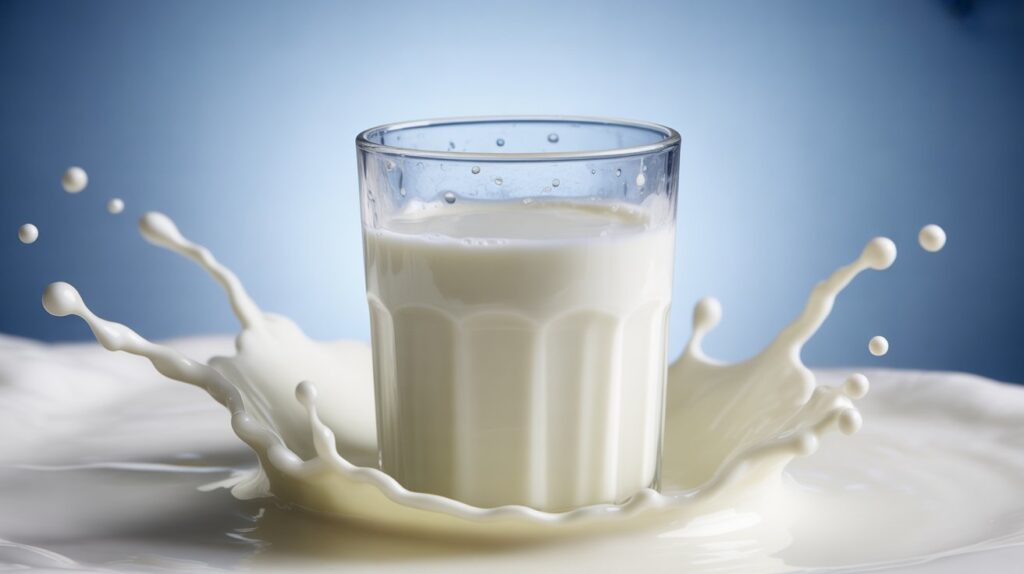
Evaporated milk may look like a simple canned ingredient though it has the power to completely transform everyday cooking. Many people notice it in the grocery store but few realize how useful it can be in teas, desserts and creamy curries. This thick, dense milk keeps longer than fresh milk and delivers a rich flavour without the extra effort.
In today’s busy lifestyles where convenience is key evaporated milk helps save time and enhance flavor. Whether you’re a novice cook or someone who enjoys experimenting in the kitchen, understanding evaporated milk can open up new possibilities and make everyday meals smoother, tastier and more practical.
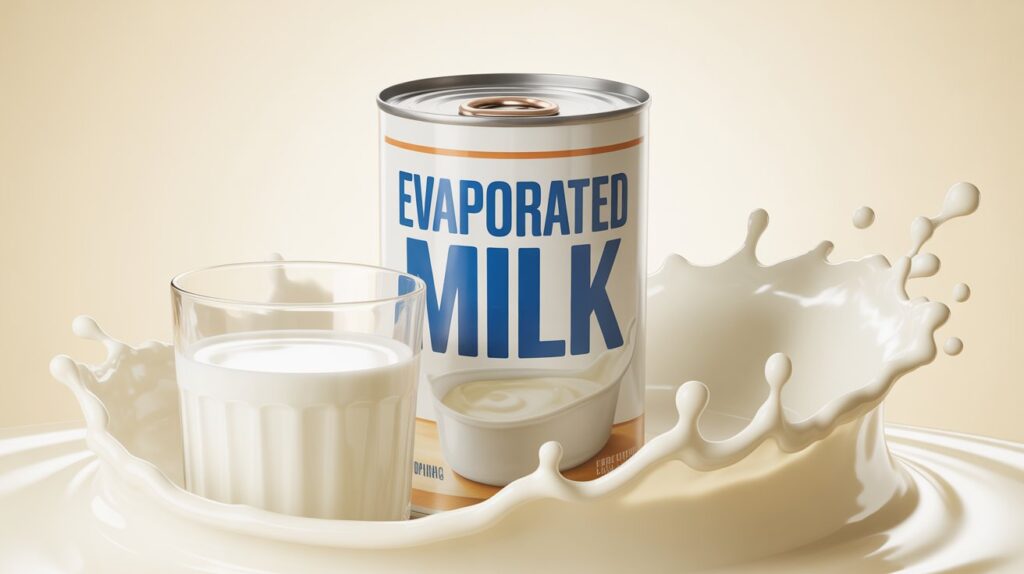
Table of Contents
Introduction
Evaporated milk is becoming one of the smartest ingredients in the modern daily kitchen. Many people see the little tin on the supermarket shelf but few realize how powerful it really is. From creamy teas to bakery style desserts milk transforms everyday meals into something richer without much effort.
In today’s busy lifestyle the people want ingredients that last longer, reduce waste and still taste amazing. This milk fulfils all three needs. It stays fresh for months without refrigeration before opening, provides concentrated nutrients and creates a smooth texture in both sweet and savoury dishes.
In India and around the world, home cooks and professional chefs are rediscovering this classic ingredient. Social media cooking trends and budget friendly meal planning have pushed this milk back into the spotlight.
What Is Evaporated Milk?
This milk is regular cow’s milk with about 60 percent of the water removed by gentle heating. This process creates a thick milk that has a slightly caramelized and long duration flavour. Unlike condensed milk this milk contains no added sugar making it versatile for many recipes.
Imagine slowly boiling milk at home until it becomes richer and creamier. This milk works in a similar way, but in a controlled industrial environment that maintains safety and consistency. Due to the reduced water content, the flavour is concentrated which enhances the taste in curries, desserts and beverages.
Recent food trend reports show that shelf stable dairy products are gaining popularity due to rising grocery prices and awareness of food preservation. Families prefer the ingredients rather than frequent shopping. This milk fits perfectly into this lifestyle change especially for urban families with busy schedules.
Read more: Milk Tea Vs. Lemon Tea
| Category | Details |
|---|---|
| Definition | Evaporated milk is cow’s milk that has had about 60% of its water removed through a heating process, making it thicker and more concentrated than regular milk. |
| Process | Fresh milk is heated to evaporate water, then homogenized, sterilized and canned for long shelf life. |
| Texture | Creamy, smooth, slightly thicker than regular milk |
| Taste | Mildly caramelized and slightly sweet due to heat treatment (but no sugar added) |
| Color | Light cream or pale beige |
| Shelf Life | 6–12 months unopened (shelf-stable) |
| Storage After Opening | Refrigerate and use within 3–5 days |
| Common Uses | Coffee, tea, desserts, baking, soups, sauces, curries |
| Difference from Condensed Milk | Evaporated milk has no added sugar, while condensed milk is sweetened |
| Fat Variants Available | Whole, low fat and fat free versions |
Nutritional Value of Evaporated Milk (Per 100 g)
| Nutrient | Amount | % Daily Value (Approx.) |
|---|---|---|
| Calories | 134 kcal | 7% |
| Protein | 6.8 g | 14% |
| Total Fat | 7.6 g | 12% |
| Saturated Fat | 4.8 g | 24% |
| Monounsaturated Fat | 2.0 g | — |
| Polyunsaturated Fat | 0.3 g | — |
| Cholesterol | 29 mg | 10% |
| Carbohydrates | 10 g | 3% |
| Natural Sugars (Lactose) | 10 g | — |
| Added Sugar | 0 g | 0% |
| Calcium | 261 mg | 26% |
| Potassium | 303 mg | 9% |
| Sodium | 106 mg | 4% |
| Phosphorus | 203 mg | 20% |
| Vitamin A | 249 IU | 8% |
| Vitamin D | 0.2 mcg | 1% |
| Vitamin B12 | 0.9 mcg | 38% |
| Riboflavin (B2) | 0.3 mg | 23% |
| Magnesium | 24 mg | 6% |
| Water Content | ~74% | — |
Nutritional Value (Per 2 Tablespoons / 30 ml)
| Nutrient | Amount |
|---|---|
| Calories | ~40 kcal |
| Protein | 2 g |
| Fat | 2.2 g |
| Carbohydrates | 3 g |
| Calcium | ~80 mg |
Key Nutritional Highlights
| Benefit | Explanation |
|---|---|
| High Calcium | Helps in bones and teeth health |
| Protein-Rich | Helps muscle repair and growth |
| Long Shelf Life | Useful pantry staple |
| Energy Dense | More nutrients per volume than regular milk |
| No Added Sugar | Suitable for savory recipes |
Things to Consider
| Factor | Notes |
|---|---|
| Lactose Content | Not suitable for lactose intolerance |
| Calories | More calorie-dense than regular milk |
| Sodium | Slightly higher due to processing |
| Saturated Fat | Consume moderately if managing cholesterol |
Also read: Dear Doctor
How Evaporated Milk Is Made
A careful step-by-step process is followed to produce evaporated milk to retain nutrients and extend shelf life. Fresh milk is first filtered to remove impurities. It is then heated to a controlled temperature where the water slowly evaporates. After evaporation manufacturers homogenize the milk so that the fat is evenly distributed. This prevents segregation and gives it a smooth texture. The milk is finally sterilized in sealed cans using high heat which kills harmful bacteria and allows it to be stored for months.
Fresh milk → filtration → controlled heating → water evaporation → homogenization → sterilization → sealed packaging → ready to use
Evaporated Milk vs Condensed Milk
Many people confuse evaporated milk with condensed milk because both are available in cans. The difference is mainly in the amount of sugar and the usage. Condensed milk contains a lot of sugar which creates a thick syrupy texture that is mainly used in desserts. This milk does not contain any added sugar which makes it suitable for tea, coffee soups and savoury dishes.
Think of condensed milk as an ingredient for desserts while evaporated milk acts like condensed everyday milk. This flexibility makes evaporated milk more practical for everyday cooking. When recipes require a creamy texture without sweetness evaporated milk becomes the ideal choice.
Understanding this difference avoids cooking mistakes. Many beginners mistakenly use condensed milk in curry recipes and end up with overly sweet results. Knowing the role of evaporated milk increases confidence in the kitchen.
| Feature | Evaporated Milk | Sweetened Condensed Milk |
|---|---|---|
| Definition | Milk with about 60% water removed | Milk with water removed plus added sugar |
| Sugar Added | ❌ No added sugar | ✅ Large amount of sugar added |
| Taste | Creamy, slightly caramelized | Very sweet, thick, dessert-like |
| Texture | Pourable and smooth | Very thick and sticky |
| Color | Light cream/beige | Pale yellow or creamy |
| Consistency | Similar to light cream | Much thicker than cream |
| Calories | Moderate | Very high |
| Sweetness Level | Low | Extremely sweet |
| Shelf Life (Unopened) | 6–12 months | 1–2 years |
| Common Uses | Coffee, tea, soups, sauces, curries, baking | Desserts, sweets, candies, pies |
| Can Replace Regular Milk? | ✅ Yes (add equal water) | ❌ No (too sweet) |
| Popular Recipes | Cream soups, pasta sauce, mashed potatoes | Fudge, caramel, key lime pie |
| Best For | Savory + sweet dishes | Mostly desserts |
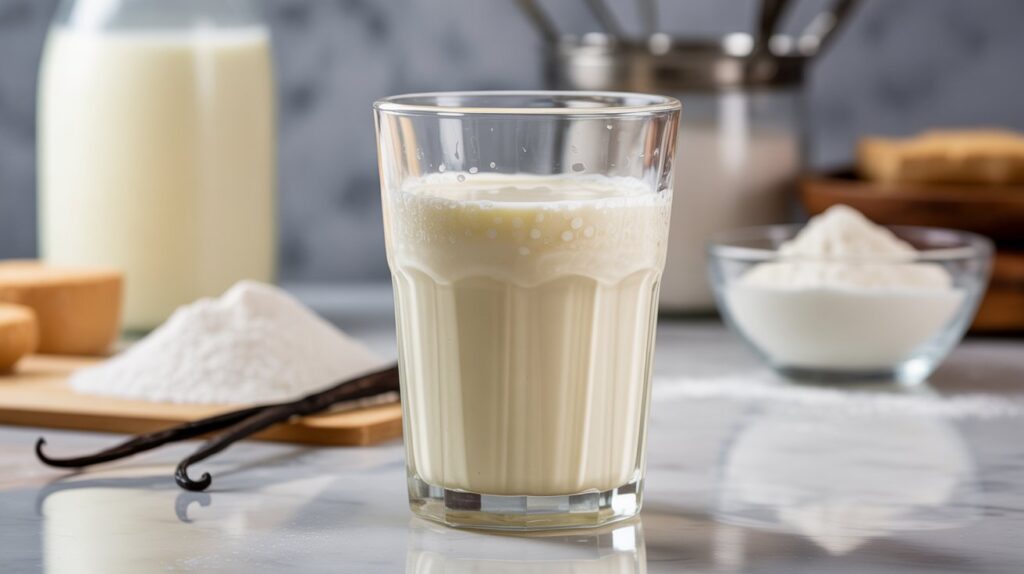
Nutrition Comparison (Per 100 g)
| Nutrient | Evaporated Milk | Condensed Milk |
|---|---|---|
| Calories | 134 kcal | 321 kcal |
| Protein | 6.8 g | 7.9 g |
| Total Fat | 7.6 g | 8.7 g |
| Saturated Fat | 4.8 g | 5.5 g |
| Carbohydrates | 10 g | 55 g |
| Sugar | 10 g (natural lactose) | 55 g (mostly added sugar) |
| Added Sugar | 0 g | ~40–45 g |
| Calcium | 261 mg | 284 mg |
| Sodium | 106 mg | 127 mg |
| Cholesterol | 29 mg | 34 mg |
When to Use Each
| Use This When You Want… | Choose |
|---|---|
| Creamy coffee or tea | Evaporated milk |
| Thick dessert sweetness | Condensed milk |
| Creamy soup or curry | Evaporated milk |
| Quick caramel or fudge | Condensed milk |
| Lower sugar option | Evaporated milk |
Everyday Uses In Kitchen
This milk blends beautifully into Indian cooking because many recipes already rely on a low fat milk formula. Instead of boiling milk for a long duration cooks can add evaporated milk directly to save time. In making tea adding a small amount adds a richer flavour, similar to that of roadside tea stalls. In gravies like paneer butter masala, evaporated milk creates a creamy consistency without the need for extra oil. Home bakers use it to make cakes, kheer and custards to achieve a smooth texture.
Even simple foods benefit. Adding this milk to oatmeal or coffee instantly improves the taste and mouthfeel. Students living in hostels often keep canned this milk because it is convenient to use without having to refrigerate it every day. This versatility explains why many cooks call evaporated milk a “shortcut ingredient” for delicious cooking.
Health Benefits and Consumption Tips
- Rich source of calcium which helps maintain strong bones and teeth especially beneficial for growing children and the elderly
- Contains high quality protein which aids in muscle repair and keeps you feeling full for longer
- Provides concentrated energy due to reduced water content making it helpful for people who need quick nutrition
- Provides important vitamins like Vitamin D and Vitamin A which help in overall body function and boost immunity
- Reduces food waste in the long run making it a practical dairy alternative for busy families
- Acts as a substitute for cream, allowing you to enjoy a controlled amount of creamy texture
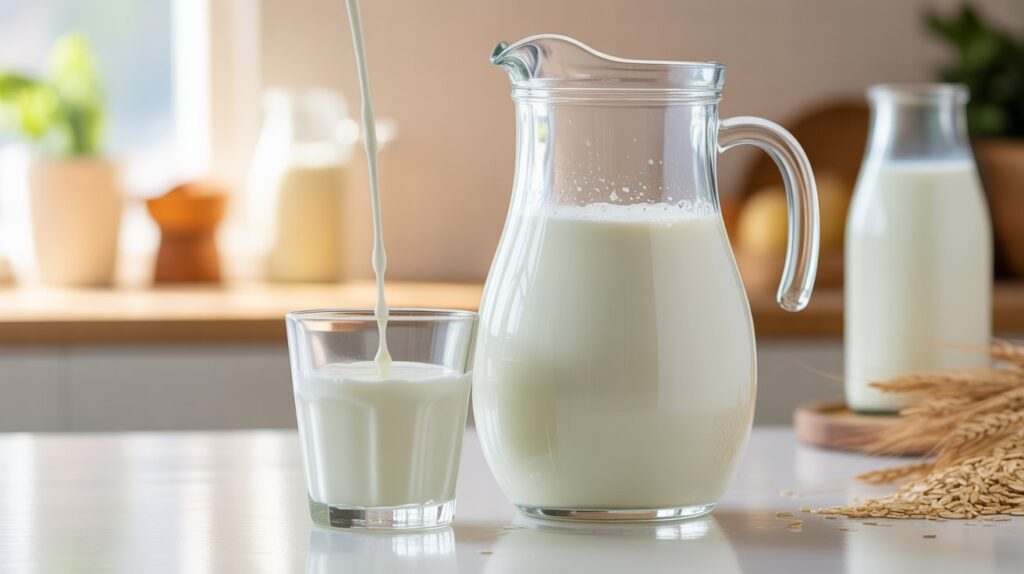
- Can be diluted with equal amounts of water to match the consistency of regular milk for daily use
- Best consumed in moderation as calorie content is higher than fresh milk
- Suitable for tea, coffee, soups and gravies if a richer taste is desired without adding butter or cream
- Store unopened cans in a cool, dry place and Refrigerate after opening to maintain freshness
- Always check smell and texture before use to ensure safety
- Ideal for combining with a balanced diet of fruits, grains and home cooked meals
Cooking Hacks
Professional chefs often rely on this milk for consistency in recipes. One effective trick is to whip cold milk into a light, cream like foam. This hack has gained popularity on online cooking reels. Another smart method is replacing heavy cream in pasta sauces. This milk thickens gently when heated creating a silky sauce without feeling too heavy. Bakers also use this milk to mix into pancake batter for a fluffy texture.
During the festive season instead of spending hours reducing liters of milk, it’s quicker to make desserts using evaporated milk. It saves both gas and time and maintains the authentic taste. These practical kitchen hacks show why evaporated milk is considered an efficiency enhancer for the modern home cook.
Storage, Shelf Life and Safety Guide
- Store unopened cans of evaporated milk in a cool, dry place away from direct sunlight and heat.
- Keep cans at room temperature to maintain quality for several months.
- Always check the expiration date before purchasing or using the product.
- Do not use cans that are swollen, leaking, or badly punctured.
- Transfer any remaining milk to a clean airtight container immediately after opening.
- Refrigerate after opening and drink within three to four days.
- Never store evaporated milk in an open metal can.
- Shake well before reusing as slight separation is normal.
- Discard milk if it has a sour smell, unusual colour or curdled texture.
Common Myths
Many misconceptions about this milk are largely due to incorrect processing methods. Some believe that it contains preservatives but traditional evaporated milk relies on pasteurization rather than chemical additives.
Another misconception is that evaporated milk is unhealthy. In fact, it contains the same nutrients as milk in a concentrated form. As with any dairy product, the key is to consume it mindfully.
Some believe that the taste of evaporated milk is artificial. Its slightly cooked flavour actually comes from a natural heating process, similar to the homemade milk used in Indian sweets. Dispelling these misconceptions helps consumers make informed decisions instead of avoiding useful pantry ingredients based on misinformation.
Evaporated Milk vs Milk
| Feature | Evaporated Milk | Regular Milk |
|---|---|---|
| Definition | Milk with about 60% water removed through heating | Natural liquid milk in original form |
| Texture | Thick and creamy | Thin and fluid |
| Taste | Slightly cooked and richer flavour | Fresh and mild taste |
| Water Content | Low water content | High water content |
| Calories (per 100 ml) | Around 130–140 kcal | Around 60–65 kcal |
| Protein | Higher concentration | Moderate amount |
| Fat Content | More concentrated fat | Lower compared to evaporated milk |
| Calcium | More calcium per serving | Standard calcium level |
| Sugar Added | No added sugar | No added sugar |
| Shelf Life (Unopened) | Several months without refrigeration | Few days even when refrigerated |
| Storage Before Opening | Room temperature storage possible | Needs refrigeration |
| Storage After Opening | Refrigerate and use within 3–4 days | Refrigerate and use within 2–3 days |
| Cooking Use | Ideal for creamy recipes, tea, desserts, sauces | Used for drinking, cereals, daily cooking |
| Creaminess Level | High creaminess | Light creaminess |
| Best For | Baking, curries, coffee, desserts | Drinking, tea, breakfast use |
| Cost Efficiency | Longer lasting, less wastage | Can spoil faster |
| Dilution Option | Can be mixed with water to resemble milk | No dilution required |
Evaporated Milk Substitute
If you don’t have evaporated milk, don’t worry. Depending on your recipe, several simple kitchen ingredients can serve as effective substitutes. The goal is to replace evaporated milk’s creamy texture and concentrated flavor.
Best Evaporated Milk Substitutes
- Regular Milk (Reduced Milk Method)
Simmer regular milk over low heat until it’s about half its volume. This homemade version is very similar in consistency and flavor to evaporated milk. For example, boil 2 cups of milk until it’s reduced to 1 cup. - Fresh Milk + Cream
Combine ¾ cup of milk with ¼ cup of fresh cream. This mixture creates a similar richness and works well in teas, coffees, and sauces. - Half and Half (Milk + Cream Blend)
Half and half already has a balanced fat content, making it a quick one-to-one substitute in soups and baking recipes. - Powdered milk solution
Mix powdered milk with less water than the amount indicated on the package. The thick mixture mimics the consistency of evaporated milk and is budget-friendly. - Coconut milk
A great dairy-free alternative. Coconut milk provides a creamy texture and slightly sweet flavor, perfect for curries, desserts, and vegetarian recipes. - Almond milk or oat milk (thickened)
Plant-based milks can work if boiled slightly to reduce the water content. Best used in lighter recipes and drinks. - Greek yogurt + milk
Mix equal parts yogurt and milk to create a creamy texture for savoury dishes like gravies or pasta sauces.
Substitute Ratio
| Substitute | Replacement Ratio |
|---|---|
| Reduced regular milk | 1:1 |
| Milk + cream | 1:1 |
| Half and half | 1:1 |
| Thick milk powder mix | 1:1 |
| Coconut milk | 1:1 |
Conclusion
Evaporated milk proves that simple ingredients often make the biggest impact. It packs convenience, nutrition and versatility into a small can. Whether you’re craving a richer tea, a smoother curry or a quick dessert, evaporated milk delivers reliable results without the hassle of complicated preparation.
Its growing popularity reflects changing lifestyles where people are looking for smart cooking solutions instead of complicated methods. By understanding how evaporated milk works you gain more control over taste, texture and food budget.
The next time you’re at the grocery store try adding evaporated milk to your pantry and experimenting with a new recipe. Small discoveries in the kitchen often lead to the most satisfying meals. Share your experiences with friends and continue exploring smart cooking choices.
Frequently Asked questions (FAQs)
Evaporated milk contains the same nutrients as regular milk but in a concentrated form. Due to the reduced water content. it provides higher protein, calcium and calories per serving. When mixed with water, it becomes nutritionally similar to regular milk. When consumed in moderation, it can be part of a balanced diet. Those watching their calorie intake should adjust portion sizes rather than avoiding it altogether.
Unopened evaporated milk does not require refrigeration and can be stored in a cool, dry place for several months. After opening, freezing is required. Transfer leftovers to an airtight container and drink within three to four days. Proper storage maintains flavour and prevents spoilage. Always check the smell and texture before use to ensure freshness.

Hi, I’m someone who believes curiosity is where every good idea begins. Writing is my hobby & my way of exploring thoughts, experiences & the real world around me. I believe that writing has the power to inspire, inform & spark conversations. I enjoy learning, observing & turning curiosity into words that feel honest and meaningful. Stay Informed, Stay Curious!