

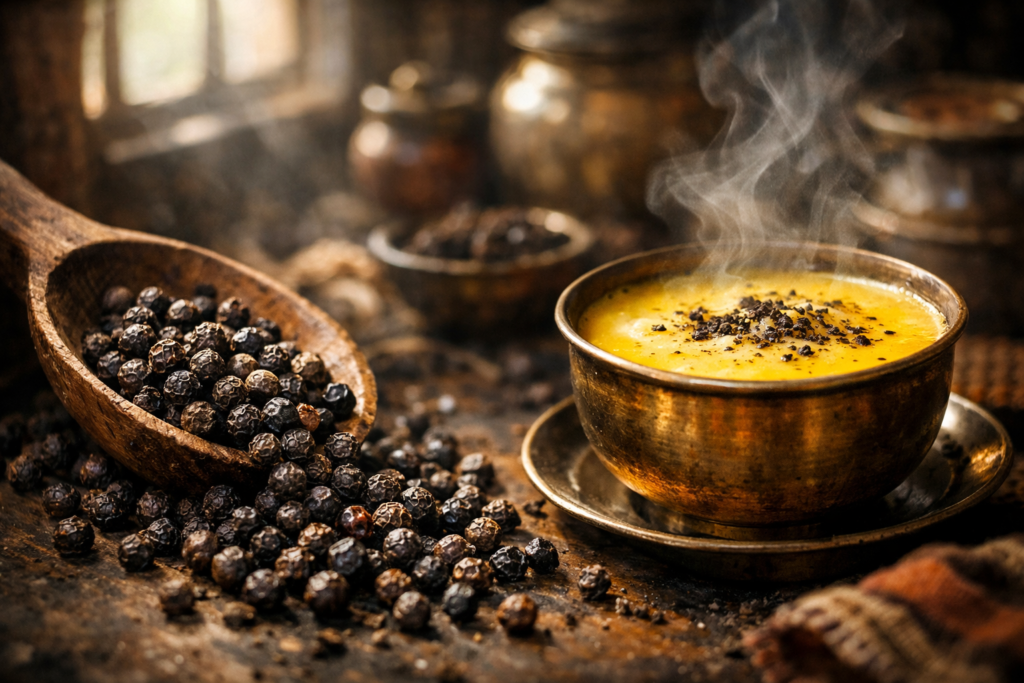
Black pepper is not just a common kitchen spice. It’s the silent ancient spice king sitting in your spice rack, waiting to change your health in small but powerful ways. A pinch of black pepper can change taste, digestion system and even nutrient absorption. Most people sprinkle it on a daily basis without knowing its true power.
If you think it is just for flavour, you’re missing out on something big. For thousands of years ago black pepper has been considered as a super powerful medicine, traded like gold and used in Ayurveda and traditional healing methods. Today, modern research is slowly revealing what our grandparents already knew.
Read more: Mix Garlic and Cloves for 14 Days and See the Shocking Change

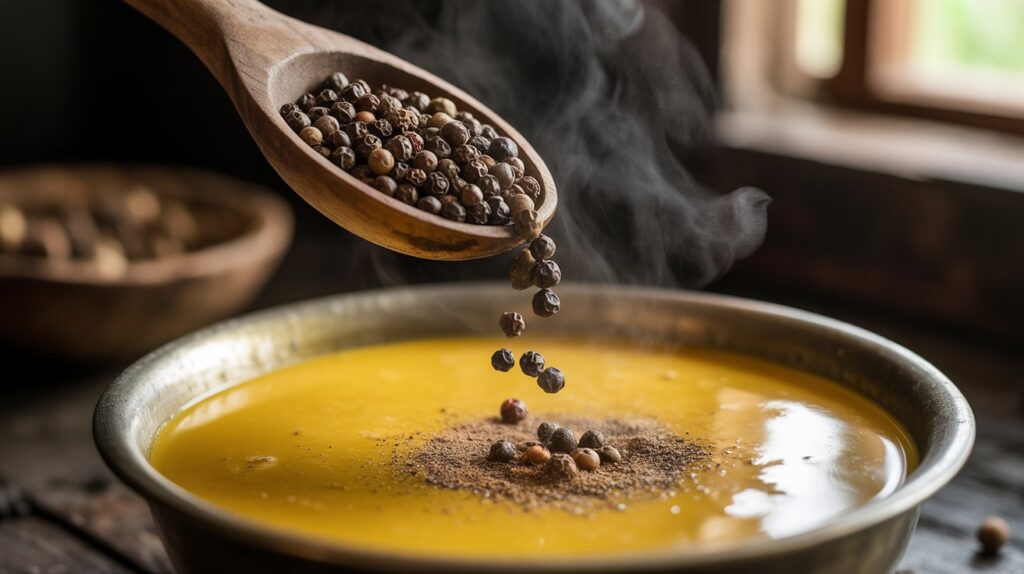
Table of Contents
Introduction
Black pepper is one of the most widely used spices in the world from past times. In India, black pepper is added to almost every household in pulses, vegetables, soups and stews. Its intense aroma and mild heat make food more enjoyable. However, black pepper is not just about taste. It contains a powerful compound called piperine which gives it medicinal value.
Ancient Ayurveda described black pepper as a digestive increaser and metabolism booster. Modern science is now studying black pepper for its antioxidant, anti inflammatory and bioavailability increasing properties. From weight management to gut health, black pepper plays many roles in everyday.
Piperine is the natural active compound in black pepper that gives it its sharp taste. It improves nutrient absorption in the body and shows antioxidant and anti inflammatory properties in research studies.
Why Is It Called the King of Spices
Black pepper is produced from the dried berries of the Piper nigrum plant. This plant is native to tropical regions like Kerala, India. India was once known as the land of spices and black pepper was called black gold because traders would pay a lot of money for it. In ancient times black pepper was even used as currency in some regions.
The reason why black pepper is so famous is simple. It naturally increase the flavour and also improves digestion system. Unlike chili peppers, which only add heat, black pepper adds warmth and depth. Its active compound piperine provides a pungent flavour and many health benefits. Currently, India, Vietnam and Indonesia are the major producers of black pepper. According to the Global Spice Trade Report black pepper production exceeds 500,000 metric tons annually.
Read more: Over 90 and Sharp? 3 Seeds for Eye and Brain Power Every Morning
Nutritional Profile of Black Pepper
Black pepper may look small yet it carries impressive nutrition in tiny amounts. Even though we consume it in small quantities its compounds are highly concentrated. Below is a simple table to understand black pepper nutrition per 100 grams.
| Nutrient | Amount |
|---|---|
| Calories | 251 kcal |
| Carbohydrates | 64 g |
| Fiber | 25 g |
| Protein | 10 g |
| Calcium | 437 mg |
| Iron | 9.7 mg |
| Magnesium | 194 mg |
| Piperine | Active compound |
We don’t eat 100 grams a day but even a small amount provides antioxidants. Black pepper is rich in fiber and minerals. Most importantly piperine increases the absorption of nutrients from other foods.
How It Improves Nutrient Absorption
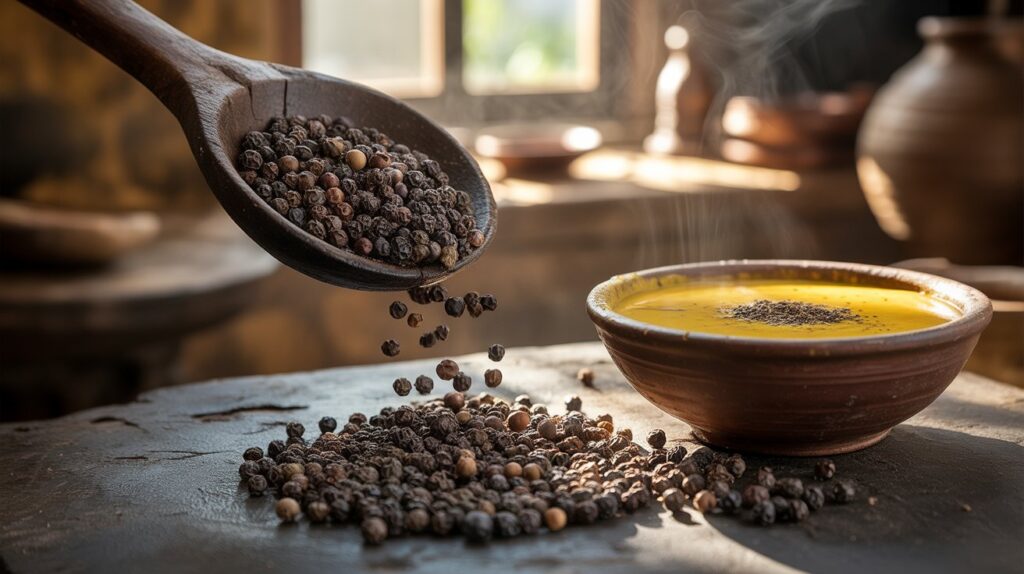
One of the most interesting facts that of black pepper is its ability to increase nutrient absorption. This concept is called bioavailability. Simply put, it refers to how well your body absorbs nutrients. For example, turmeric contains curcumin, which has powerful anti inflammatory properties. However, curcumin alone is not well absorbed by the body.
According to research, when you add black pepper, piperine often combines with turmeric and black pepper. Our ancestors understood this natural combination without modern laboratories. Adding black pepper to your food can make vitamins and minerals more effective inside your body.
Bioavailability means how and how much of a nutrient or medicine gets absorbed into your bloodstream and used by your body. Higher bioavailability means better absorption, better effectiveness and stronger results from the same amount consumed.
Read more: Foods That Reverse Your Age Naturally: The Shocking Truth Doctors Know
For Digestion
Black pepper stimulates digestive enzymes in the stomach. These enzymes break down food properly. When digestion improves, problems like flatulence, gas and heaviness naturally reduce.
In Ayurveda, black pepper is part of the famous Trikatu mixture which includes black pepper, long pepper and ginger. This mixture is known to increase the digestive fire. Modern research also shows that black pepper increases the secretion of hydrochloric acid in the stomach. This helps in digesting proteins efficiently.
Imagine eating a heavy meal without spices. You may feel dull and sleepy. When you add black pepper, the food tastes light and digestion is smooth. This simple spice can make your daily meals easier on your stomach.
Trikatu is a classical Ayurvedic herbal blend made from three pungent ingredients: black pepper (Maricha), long pepper (Pippali) and dry ginger (Shunthi). It is known for increasing digestion, boosting metabolism and improving nutrient absorption.
Trikatu helps balance Kapha and Vata doshas, clears toxins (Ama), helps respiratory health and stimulates Agni, the digestive fire in the body.
Kapha and Vata are two of the three doshas in Ayurveda that govern body functions. Vata, made of air and space, controls movement, breathing, circulation and nerve impulses. Kapha, formed from earth and water, provides stability, strength, immunity and lubrication. Balanced doshas maintain health, while imbalance may cause issues like dryness, congestion, fatigue or digestive disturbances.
For Weight Management
Many people look for natural ways to manage their body weight. Black pepper may play a small but meaningful role here. According to laboratory studies, piperine may affect fat metabolism and reduce the formation of new fat cells.
Black pepper also slightly increases thermogenesis. Thermogenesis means the production of heat in the body. When your body produces more heat, it burns more calories. Although its effects are mild, regular use can contribute over time.
Instead of expensive supplements, adding freshly ground black pepper to salads, soups and lemon water can be a simple habit. It’s not a magic bullet, but it’s still a great addition to a balanced diet and active lifestyle.
For Immunity
Black pepper contains huge amount of antioxidants that protect cells from damage. Antioxidants fight harmful molecules called free radicals. When free radicals increase, they create oxidative stress that leads to aging and disease.
Our traditional home remedies for colds and coughs often include black pepper. For example, many Indian families make black pepper tea with basil and ginger during the monsoon and winter months. The warmth soothes a sore throat and improves comfort. Black pepper has become a key ingredient in many herbal curry recipes across India.
Read more: Sitting All Day? 9 Silent Body Damages You Should Never Ignore
For Brain Health
Our emerging research suggests that piperine, a compound found in it may improve brain function. Some studies have shown that it improves memory and cognitive performance in animals. Scientists are investigating its role in conditions such as depression and neurodegenerative diseases.
While research is still ongoing, traditional systems have already valued pepper for its mental clarity. It improves blood circulation which can help deliver oxygen to the brain.
If you’ve ever felt refreshed after drinking peppermint tea during a fever, you’ve experienced its subtle effects. There’s often a scientific explanation behind small traditional practices.
Use In Ayurveda and Traditional Medicine
In Ayurveda, it is classified as a heat growing spice in nature. It balances the Kapha and Vata doshas. It is used as a cough remedy, digestive tonic and detox preparation.
Consuming pepper increases the digestive fire which improves the breakdown of nutrients which improves energy levels and reduces the accumulation of toxins. This simple chain explains why the elderly recommend consuming it during seasonal illnesses. Ayurveda always emphasizes prevention, not just treatment.
How to Use It Daily
It is very easy to use it daily. Always prefer freshly ground black pepper instead of pre ground. Freshly ground pepper retains the essential oils and aroma. Add it to dal, soup, boiled eggs, salads and even fruit chaat. You can have it mixed with a pinch of lukewarm lemon water in the morning. Many people add it to turmeric milk at night.
Remember that moderation is the key. Too much pepper can cause stomach irritation. About one to two grams per day is generally safe for most adults.
Side Effects
- It is safe in normal amounts but high doses can cause stomach irritation. People with ulcers or severe acidity should be careful.
- The piperine in it can increase the absorption of medications. If someone is taking regular medications especially for blood pressure or blood thinners they should consult their doctor before using high doses of its supplements.
- Pregnant women can safely consume it in regular cooking amounts. However, concentrated this supplements should only be taken under proper medical guidance.
Modern Time Use
Nowadays, it is used in many supplements. You will notice piperine mentioned in turmeric capsules. Fitness enthusiasts add it to detox drinks.
According to global market research, the global demand for pepper extract has been steadily increasing day by day in the last five years continuously. Natural health awareness is on the rise especially in countries like India and the United States.
Conclusion
It is small, affordable. Yet it has powerful properties that science continues to explore. From digestion to nutrient absorption and immunity to brain health, it plays multiple vital roles.
Instead of ignoring it as a common spice start evaluating it as an everyday food companion. Add it to your meals mindfully. Choose fresh, good quality peppers. Respect traditional wisdom and combine it with modern ideas.
Frequently Asked Questions (FAQs)
It improves digestion, increases nutrient absorption and provides antioxidants. The active compound piperine increases bioavailability of nutrients like curcumin. It may also help in mild weight management and immune health. When used daily in small amounts black pepper adds both flavour and wellness value to meals.
It contains piperine which may influence fat metabolism and increase thermogenesis slightly. While it is not a miracle solution, adding pepper to a balanced diet and regular exercise routine can contribute to healthy weight management over time.
Yes, consuming pepper in normal cooking amounts daily is generally safe for healthy adults. Around one to two grams per day is considered moderate. Excessive intake may irritate the stomach, so moderation is important.
In large quantities, pepper may cause stomach irritation or burning sensation. People with ulcers or those taking certain medications should consult a doctor before consuming concentrated its supplements.


Hi, I’m someone who believes curiosity is where every good idea begins. Writing is my hobby & my way of exploring thoughts, experiences & the real world around me. I believe that writing has the power to inspire, inform & spark conversations. I enjoy learning, observing & turning curiosity into words that feel honest and meaningful. Stay Informed, Stay Curious!