

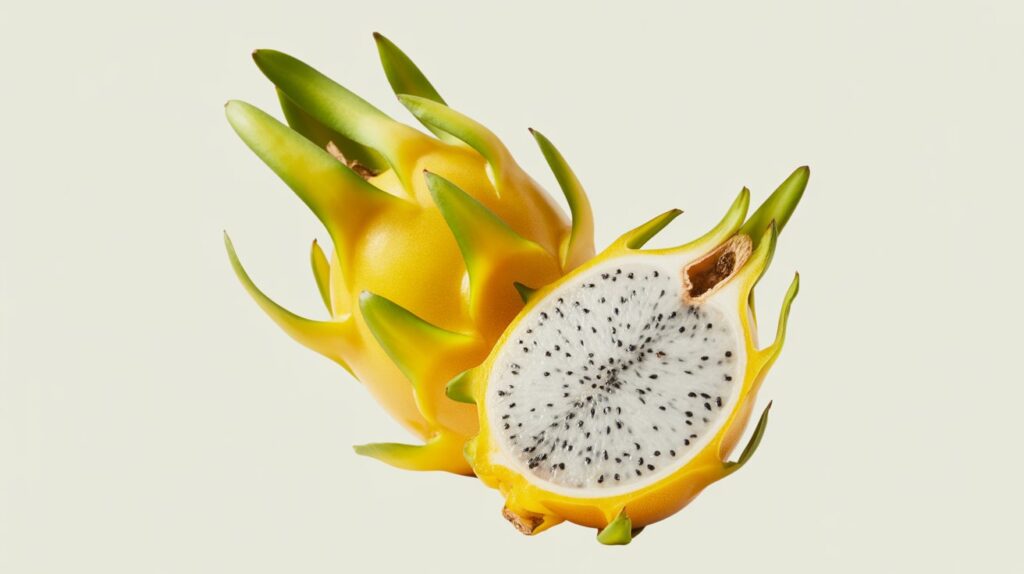
Imagine cutting into a fruit that looks like sunlight, wrapped in thorns. The first bite is sweet, refreshing and surprisingly addictive. That’s exactly why yellow dragon fruit is suddenly appearing in Indian markets healthy fruits and nutrition discussions everywhere. People who once ignored the exotic fruit are now seeking it out every day because curiosity meets real health value. This bright yellow fruit is not only beautiful but also deeply nutritious. From boosting digestion to improving hydration levels it brings essential benefits to modern living. Let’s explore why yellow dragon fruit is becoming one of the most exciting natural foods of this decade.
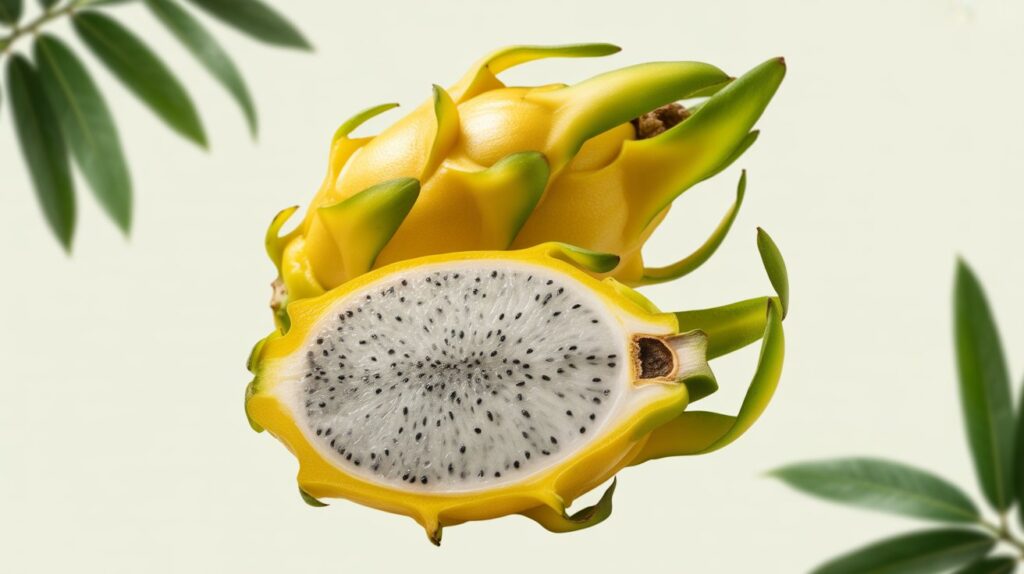
Table of Contents
Introduction
Yellow dragon fruit is a tropical fruit that has gained a lot of attention due to its rich nutritional value refreshing taste and impressive health benefits. Unlike the common pink dragon fruit this golden variety has a higher sweetness and strong antioxidant presence that makes it popular among wellness enthusiasts. Originally grown in parts of South America, it is now grown across Asia, including farms in India where demand is increasing every year. Health experts and foodies praise yellow dragon fruit for its natural hydration blend with fiber and essential micronutrients.
At a time when people are looking for easy ways to boost digestion and immunity, this fruit fits perfectly into the daily diet. Food trends on social media and Google Discover articles have further increased its popularity. This detailed guide explains everything from nutritional facts to practical benefits so you can understand why yellow dragon fruit is more than just a colourful fruit and how it can be a part of your daily healthy lifestyle.
Read more: Say Goodbye To Diabetes
What Is Yellow Dragon Fruit?
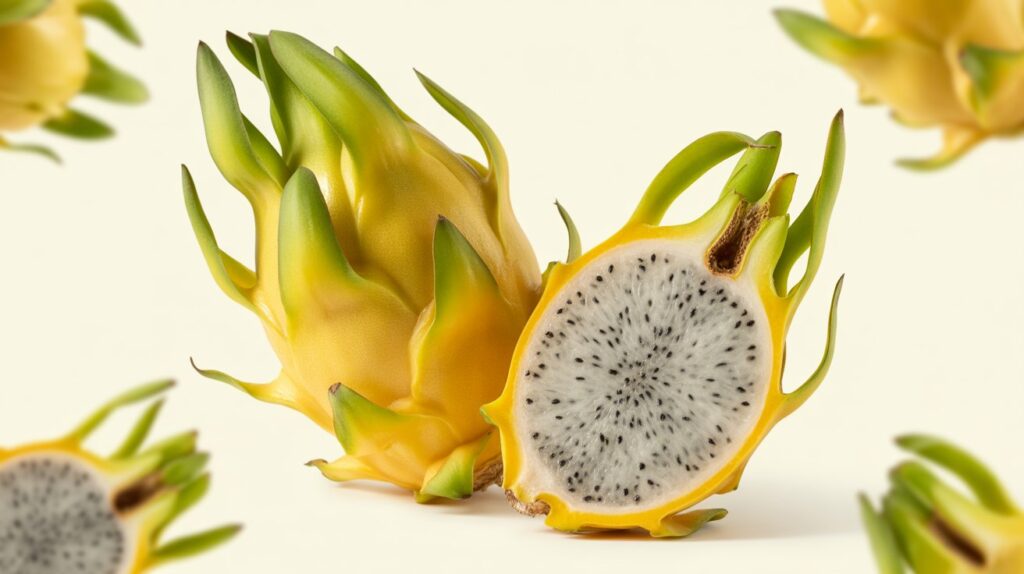
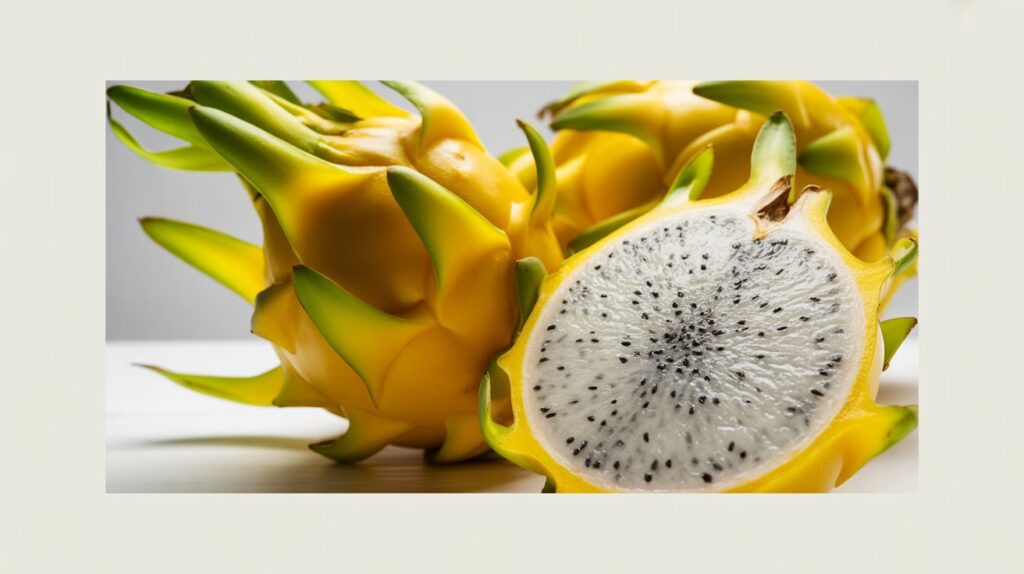
Yellow dragon fruit is a species of cactus scientifically known as Hylocereus megalanthus. Like the red variety, its skin is bright yellow with small thorn-like scales and the inside is white and filled with edible black seeds. Its texture is soft, smooth and sweet like a kiwi. It was first widely cultivated by farmers in countries like Colombia and Ecuador before production expanded worldwide.
What makes yellow dragon fruit unique is its natural sugar balance. Its taste is sweet not heavy but perfect for people who want a sweet treat without the added sugar. The fruit grows on climbing cactus plants that only bloom at night, adding to its mysterious appeal. Since it requires careful handling to harvest the fruit carries a bit of a premium in price but increased cultivation is gradually making it more readily available in Asian markets.
| Category | Details |
|---|---|
| Common Name | Yellow Dragon Fruit |
| Scientific Name | Selenicereus megalanthus (formerly Hylocereus megalanthus) |
| Plant Family | Cactaceae (Cactus family) |
| Other Names | Yellow Pitaya, Pitahaya Amarilla |
| Fruit Type | Tropical cactus fruit |
| Origin | South America (mainly Colombia, Ecuador, Peru, Bolivia) |
| Current Growing Regions | South America, Central America, Israel, Vietnam, Thailand, Philippines, India (limited cultivation) |
| Plant Type | Climbing cactus vine |
| Growing Habit | Requires support like trellis or poles |
| Climate Requirement | Warm tropical to subtropical climate |
| Ideal Temperature | 18°C – 32°C |
| Sunlight Needs | Full sun to partial shade |
| Water Requirement | Low to moderate (drought tolerant) |
| Soil Type | Well drained sandy or loamy soil |
| Soil pH | Slightly acidic to neutral (6.0–7.0) |
Fruit Characteristics
| Feature | Description |
|---|---|
| Outer Skin Color | Bright yellow |
| Skin Texture | Thick peel with small thorn-like spines |
| Shape | Oval to round |
| Average Size | Smaller than red dragon fruit |
| Flesh Color | White |
| Seed Color | Tiny black edible seeds |
| Taste | Very sweet, mildly tangy |
| Sweetness Level (Brix) | 18–24° Brix (sweeter than red varieties) |
| Aroma | Light tropical fragrance |
| Edible Parts | Inner flesh and seeds |
| Peel Edibility | Not edible |
Nutritional Value (Per 100g Approx.)
| Nutrient | Amount |
|---|---|
| Calories | 50–60 kcal |
| Carbohydrates | 12–13 g |
| Fiber | 3–4 g |
| Protein | 1–1.5 g |
| Fat | 0.1–0.4 g |
| Vitamin C | High |
| Calcium | Moderate |
| Iron | Small amounts |
| Magnesium | Present |
| Antioxidants | Rich |
| Water Content | ~85–90% |
Also Read: Dragon Fruit Benefits
Plant & Flower Information
| Feature | Description |
|---|---|
| Flower Type | Large white night-blooming flower |
| Bloom Time | Night (blooms once per cycle) |
| Pollination | Often hand-pollinated for better yield |
| Flower Nickname | “Queen of the Night” |
| Fruiting Time | 30–50 days after flowering |
| Harvest Season | Multiple harvests yearly in warm climates |
Storage Information
| Condition | Storage Time |
|---|---|
| Room Temperature | 2–3 days |
| Refrigerated | 5–7 days |
| Cut Fruit (Fridge) | 1–2 days (sealed container) |
| Freezing | Possible for smoothies |
Taste Experience
Many first time buyers hesitate to try it as they can’t quite imagine its taste. Yellow dragon fruit surprises people because it feels familiar yet unique. Imagine a mild blend of kiwi pear and honey sweetness without the sourness. The seeds have a light crunch that enhances the texture.
Unlike sweet fruits that feel heavy this fruit gives a cooling sensation. It is ideal during Indian summers when hydration becomes essential. Children often like it instantly because the sweetness comes naturally rather than artificially enhanced.
The taste also varies slightly depending on the ripeness. A ripe yellow dragon fruit gives off a light floral aroma and soft skin when gently pressed. It is eaten cold for added freshness. Many people enjoy it as a mid morning snack instead of processed sweets as it is easy to digest.
Health Benefits
The health benefits of yellow dragon fruit are gaining traction as real nutritional science clearly explains its effects. The fiber content improves bowel movements which helps those who suffer from irregular digestion due to a sedentary lifestyle. Hydration levels help maintain energy levels in hot weather.
The antioxidants found in the fruit help neutralize free radicals caused by stress, pollution and unhealthy eating habits. Vitamin C contributes to the formation of natural collagen which keeps skin looking fresh and radiant. Magnesium helps relax muscles which benefits people dealing with fatigue.
A 2024 nutrition survey across Asian markets found that consumers who regularly eat tropical fruits reported better dietary balance than those who consume processed foods. While no fruit works like magic regular consumption of yellow dragon fruit fits easily into a balanced diet.
| Benefit | Explanation |
|---|---|
| Boosts Immunity | High vitamin C strengthens immune defense |
| Improves Digestion | Fiber improves gut function |
| Heart Health | Antioxidants help reduce oxidative stress |
| Hydration | High water content prevents dehydration |
| Skin | Antioxidants slow premature aging |
| Blood Sugar Support | Low glycemic index compared to many fruits |
| Weight Management | Low calorie, high fiber fruit |
Yellow Dragon Fruit vs Red Dragon Fruit
| Feature | Yellow Dragon Fruit | Red Dragon Fruit |
|---|---|---|
| Taste | Sweeter | Mild sweetness |
| Skin Colour | Yellow | Pink or red |
| Price | Higher | More affordable |
| Fibre Content | Slightly higher | Moderate |
| Popularity | Growing trend | Widely known |
| Feature | Yellow Dragon Fruit | Red Dragon Fruit |
|---|---|---|
| Sweetness | Very sweet | Mildly sweet |
| Skin | Yellow with spines | Pink/red smooth scales |
| Flesh | White | White or red |
| Size | Smaller | Larger |
| Price | Usually higher | More affordable |
| Availability | Less common | Widely available |
Recent Market Growth
The global tropical fruit market is rapidly expanding. Agricultural analysts estimate that demand for dragon fruit is growing at over 7% annually due to health conscious consumers. India has also launched government initiatives to encourage cultivation of exotic fruits which will increase local availability.
Online grocery platforms have reported an increase in searches for yellow dragon fruit especially among urban millennials. Food makers showcase creative recipes on short video platforms which encourage impulse purchases.
Consumers now value attractive foods that offer real benefits and fit into modern lifestyles. Yellow dragon fruit checks all these boxes positioning it firmly in the food trends of the future.
Precautions
| Point | Details |
|---|---|
| Allergies | Rare but possible |
| Overconsumption | May cause mild laxative effect |
| Spines on Peel | Remove carefully before handling |
Conclusion
Yellow dragon fruit is more than just a trending fruit. It represents a shift towards mindful eating where nutrition and simplicity of taste come together naturally. From digestive comfort to hydration benefits it offers practical benefits without complicated preparation. Its growing popularity reflects how people are now choosing foods that make them feel good both mentally and physically.
Yellow dragon fruit turns curiosity into habit by eating it often. Adding it to your weekly meals can improve nutritional balance as well as add variety. If you enjoy discovering healthy foods that also feel exciting this golden fruit deserves your attention. Check out the recipes with your family and experience how small food choices can make a meaningful lifestyle change.
FAQs About Yellow Dragon Fruit
Yellow dragon fruit tastes sweeter and generally has slightly more fiber than the red variety. While both varieties are nutritionally strong many people prefer the yellow variety for its intense flavour and digestive benefits. The choice ultimately comes down to taste preference and availability.
People with diabetes can enjoy yellow dragon fruit in controlled amounts as it contains a balance of natural sugars and fiber. It is important to monitor serving sizes and consult a healthcare professional for a personalized dietary plan.
Yellow dragon fruit helps in weight management as it is low in calories yet gives a feeling of fullness. Fiber reduces appetite and natural sweetness reduces cravings for processed sweets which indirectly helps in achieving a healthy weight goal.


Hi, I’m someone who believes curiosity is where every good idea begins. Writing is my hobby & my way of exploring thoughts, experiences & the real world around me. I believe that writing has the power to inspire, inform & spark conversations. I enjoy learning, observing & turning curiosity into words that feel honest and meaningful. Stay Informed, Stay Curious!