

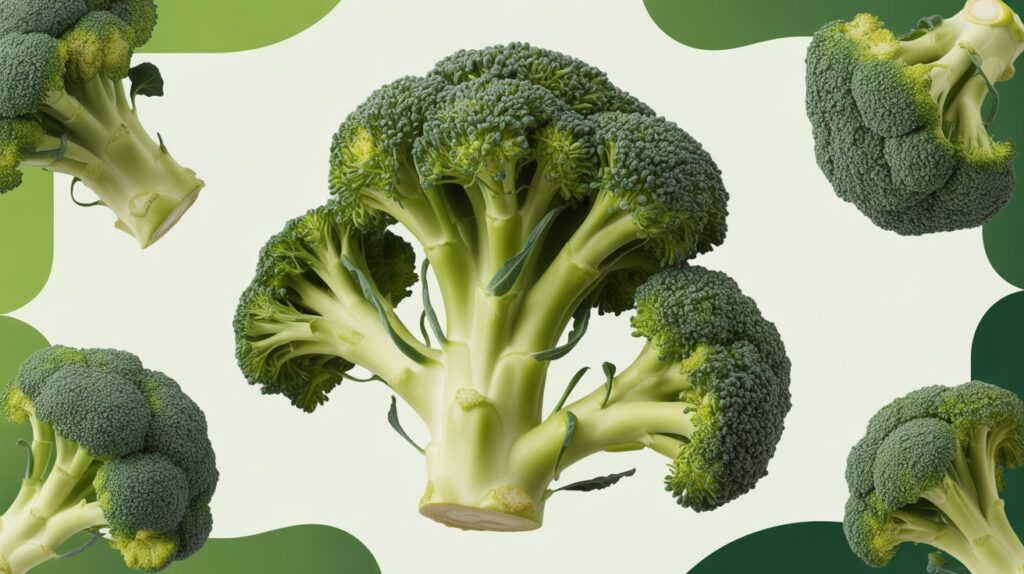
The benefits of broccoli are far greater than most people realize. This simple green vegetable can be one of the most powerful foods in your diet. Understanding Broccoli Benefits can significantly increase your health.
Once you understand what broccoli actually does inside your body, you’ll never look at it the same way again. Broccoli Benefits are numerous and can contribute to your overall health.

Table of Contents
Introduction
The benefits of broccoli have gained widespread attention in recent years as more people seek natural ways to improve their health. From fitness enthusiasts in India to nutrition experts worldwide, broccoli is often called a superfood. It is packed with vitamins, minerals, fiber, antioxidants and plant compounds that affect almost every system in your body. According to the World Health Organization (WHO) cruciferous vegetables like broccoli have been linked to reducing the risk of chronic diseases. Modern research continues to explore its effects on heart health, immunity, digestion, weight management, and even cancer prevention.
Broccoli isn’t just about its nutrient density. It’s affordable, easy to cook and fits into any diet, be it vegetarian, vegan, keto or a balanced Indian diet.
Also read: Is the BRAT Diet Still Effective? Honest Facts You Should Know
What Makes Broccoli So Powerful
It is part of the cruciferous vegetable family which also includes cabbage, cauliflower and Brussels sprouts. Scientists value this group because of compounds called glucosinolates. When you cut or chew broccoli these compounds are converted to sulforaphane a powerful antioxidant that has been studied for its protective effects.
One cup of chopped broccoli contains about 55 calories, 2.5 grams of protein, 5 grams of fiber and more than 100 percent of your daily vitamin C needs. It also provides vitamin K, folate, potassium and iron. This nutrient profile explains why broccoli’s benefits are widely studied in preventive nutrition research. In a world where processed foods dominate many plates, broccoli provides clean nutrition with minimal calories.
Cruciferous vegetables are a group of nutrient-rich plants in the Brassica family that includes broccoli, cabbage, cauliflower, kale, and Brussels sprouts. They contain fiber, vitamins C and K and natural compounds like glucosinolates. When eaten cut or chewed, these compounds produce antioxidants that help protect cells. Regular consumption has been linked to improved heart health and reduced risk of disease.
Broccoli Benefits
For Immunity
Your immune system works tirelessly to protect you from infection. Broccoli is beneficial for the immune system because it contains high levels of vitamin C and antioxidants. Vitamin C stimulates white blood cells which help fight pathogens.
A study published in the Journal of Nutrition found that diets rich in cruciferous vegetables are associated with markers of stronger immunity. The sulforaphane in broccoli activates detoxifying enzymes inside cells. These enzymes help remove harmful substances before they can damage tissues.
Think of your immune system as a defense team. Broccoli acts like advanced training for that team. Regular consumption helps your body respond quickly to threats. In countries where seasonal infections are common, adding broccoli to soups and stir-fries during the colder months can be a simple but effective preventative measure.
For Heart Health
Heart disease remains a global health concern. Broccoli is beneficial for heart health in several ways. It contains fiber which helps lower LDL cholesterol levels. High LDL cholesterol increases plaque build-up in the arteries.
Broccoli also contains potassium which helps regulate blood pressure. A balanced potassium intake helps relax blood vessel walls. Sulforaphane plays another role by reducing oxidative stress in blood vessels. Oxidative stress contributes to inflammation and artery damage.
According to heart disease research, people who eat more cruciferous vegetables have a lower risk of heart-related complications. When you combine broccoli with whole grains and healthy fats like olive oil, you create a heart-friendly eating pattern that promotes long-term well-being.
Sulforaphane is a natural plant compound found primarily in broccoli and other cruciferous vegetables. It is produced when broccoli is cut or chewed which activates protective enzymes in the body. Sulforaphane acts as a powerful antioxidant that helps reduce oxidative stress and inflammation. Researchers are studying it for its potential role in detoxification, heart health and cancer prevention.
For Weight Loss
Many people have facing trouble controlling their body weight. Broccoli helps in weight loss because it is low in calories but high in fiber. Fiber creates a feeling of fullness in the stomach which reduces overeating.
A 100-gram serving contains about 34 calories. This means you can eat a lot without going over your calorie goal. Its water content increases the volume of food which makes you feel satisfied.
| Food Item | Calories per 100g | Fiber | Satiety Level |
|---|---|---|---|
| Broccoli | 34 | High | High |
| White Rice | 130 | Low | Medium |
| Potato Chips | 536 | Very Low | Low |
Read more: Vitamin D Deficiency Symptoms
For Digestion
Gut health has become a trending topic in modern wellness discussions. Broccoli is beneficial for digestive health because it contains both soluble and insoluble fiber. Soluble fiber feeds beneficial gut bacteria. Insoluble fiber increases stool bulk which improving bowel regularity.
Recent studies have shown that a balanced gut microbiome affects immunity, mood and metabolism. The fiber in broccoli acts as a prebiotic. Prebiotics nourish the good bacteria in your gut.
Think of your gut like a garden. Broccoli feeds healthy plants so they can grow strong. When your digestive system is functioning properly, you feel lighter, more energetic and less bloated. That’s what makes broccoli worth adding to your weekly grocery list.
For Cancer Research
One of the most talked about benefits of broccoli is related to cancer prevention research. Sulforaphane has been extensively studied for its role in activating detox pathways in the body. These pathways help neutralize potential carcinogens before they can harm cells.
Studies have shown that regular consumption of cruciferous vegetables can reduce the risk of certain cancers, such as breast, prostate and colorectal cancer. Scientists believe that a combination of antioxidants, fiber and anti-inflammatory compounds produce this protective effect.
It is important to remember that broccoli is not a cure all. However when included as part of a balanced diet rich in fruits and vegetables, it can help reduce risk.
For Skin and Aging
If your skin is a concern broccoli may surprise you. Broccoli is beneficial for skin health due to its vitamin C and beta carotene. Vitamin C helps in the production of collagen. Collagen keeps the skin firm and youthful.
The antioxidants in broccoli fight free radicals. Free radicals damage cells and accelerate aging. When you regularly eat antioxidant-rich foods, your skin looks brighter and more elastic.
Hydration also plays a role. Broccoli contains water which adds to your daily hydration intake. Combined with a healthy lifestyle, this vegetable becomes a natural beauty enhancer. Many nutrition-focused dermatologists recommend colourful vegetables, including broccoli for long duration skin vitality.
How Cooking Affects Broccoli Benefits
Cooking method is important. Boiling broccoli for too long can reduce its nutritional value. Boiling for three to four minutes preserves most of the vitamins and sulforaphane. Lightly roasting is also effective.
Here’s a simple explanation of nutrient retention:
Raw type contains the most vitamin C and enzymes. Lightly roasting retains most of the nutrients. Longer cooking significantly reduces water soluble vitamins. Deep frying adds unnecessary calories.
If you prefer to eat it raw, wash it thoroughly and chop it finely to activate the beneficial compounds. Let the chopped broccoli sit for ten minutes before cooking. This resting time allows the enzymes to react which increases sulforaphane formation.
Daily Recommended Intake and Safety
Nutrition experts recommend eating at least two to three servings of vegetables per day. That’s the equivalent of one cup of cooked or raw types.
It is well tolerated by most people. However, excessive amounts may cause flatulence in sensitive individuals due to its fiber content. If you have thyroid problems, consult a healthcare professional as cruciferous vegetables have been linked to goiter. Normal dietary amounts are generally safe.
It’s important to maintain balance. Mix it with other colourful vegetables for a varied nutritional profile. No single food can guarantee perfect health. However, consistent consumption of nutrient dense foods creates cumulative benefits over time.
Practical Ways to Add It to Your Diet
No need for complicated recipes. Add chopped it to vegetable polawa. Mix it into green soup. Lightly fry in olive oil. Mix steamed it with lentils for extra fiber.
Sunday meal prep can include washing, chopping and storing it in an airtight container. This little habit saves time on busy weekdays. Children often enjoy it when lightly sautéed with garlic and lemon juice.
Healthy eating doesn’t have to feel restrictive. When food tastes good and feels satisfying, the habit becomes sustainable. It fits easily into both traditional and modern cuisines.
Conclusion
The benefits of it are proved by science, tradition and practical experience. It strengthens the immune system, protects the heart, improves digestion, aids in weight management and contributes to long duration disease prevention. Few vegetables offer such a powerful combination of nutrients for so little money.
When you consistently make nutritious food choices, you build a strong foundation for lifelong health. It is not just another green vegetable. It’s a daily investment in your future health.
Start simple. Add a serving of broccoli to your meals this week. Notice how your body responds. Small, consistent choices often lead to significant transformations.
Frequently Asked questions (FAQs)
Yes, it helps in weight loss because it is low in calories and high in fiber. Fiber increases satiety and reduces cravings. Its high water content increases the amount of food you eat, but does not significantly increase calorie intake. When combined with regular exercise and a balanced diet, it becomes a valuable addition to any weight management plan.
Both types of it have their benefits. Raw types retains the most vitamin C and enzymes. Light steaming preserves most of the nutrients and improves digestibility. Overcooking can reduce nutrient levels. The best approach is to include both raw and lightly cooked it in your weekly diet for variety and maximum nutrient intake.
It is safe for most people. Some people may experience mild bloating due to its fiber content. People with thyroid problems should consult a healthcare professional before consuming large amounts. In a normal diet, the benefits of it far outweigh any minor discomfort.


Hi, I’m someone who believes curiosity is where every good idea begins. Writing is my hobby & my way of exploring thoughts, experiences & the real world around me. I believe that writing has the power to inspire, inform & spark conversations. I enjoy learning, observing & turning curiosity into words that feel honest and meaningful. Stay Informed, Stay Curious!